Visit to the Jim Thompson House Museum and Jim Thompson Art Center (2026.4.25)
Visit to the Jim Thompson House Museum and Jim Thompson Art Center
The Jim Thompson House Museum is one of Bangkok’s most renowned cultural museums. Originally the private residence of Jim Thompson, widely recognized as the “Father of Thai Silk,” the museum showcases traditional Thai architecture, fine art collections, and Southeast Asian cultural heritage, offering significant artistic and cultural value. Jim Thompson (1906–1967), an American architect and entrepreneur, settled in Thailand after World War II and played a pivotal role in revitalizing the Thai silk industry, successfully introducing Thai silk to international markets and earning the title “King of Thai Silk.”
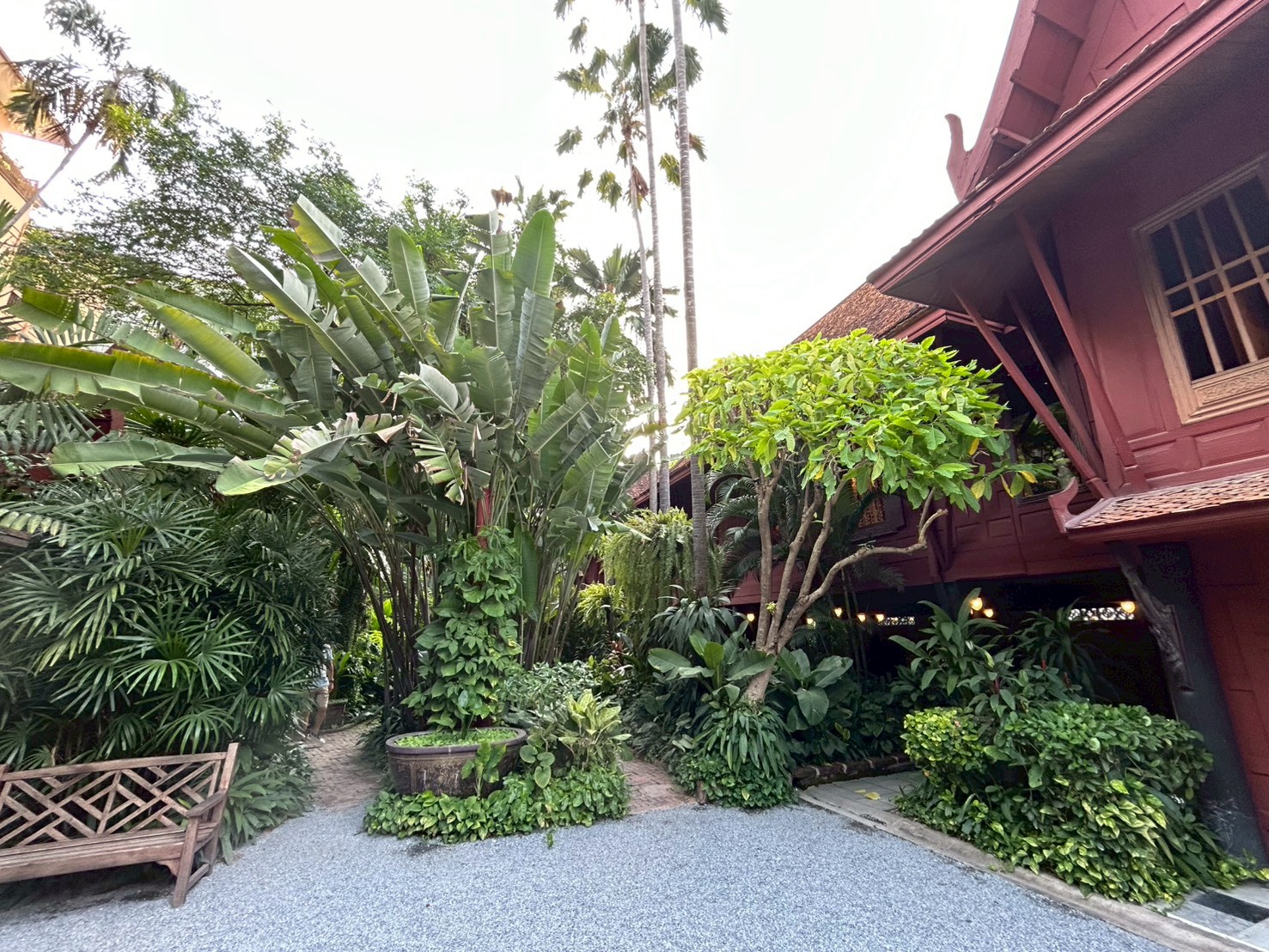
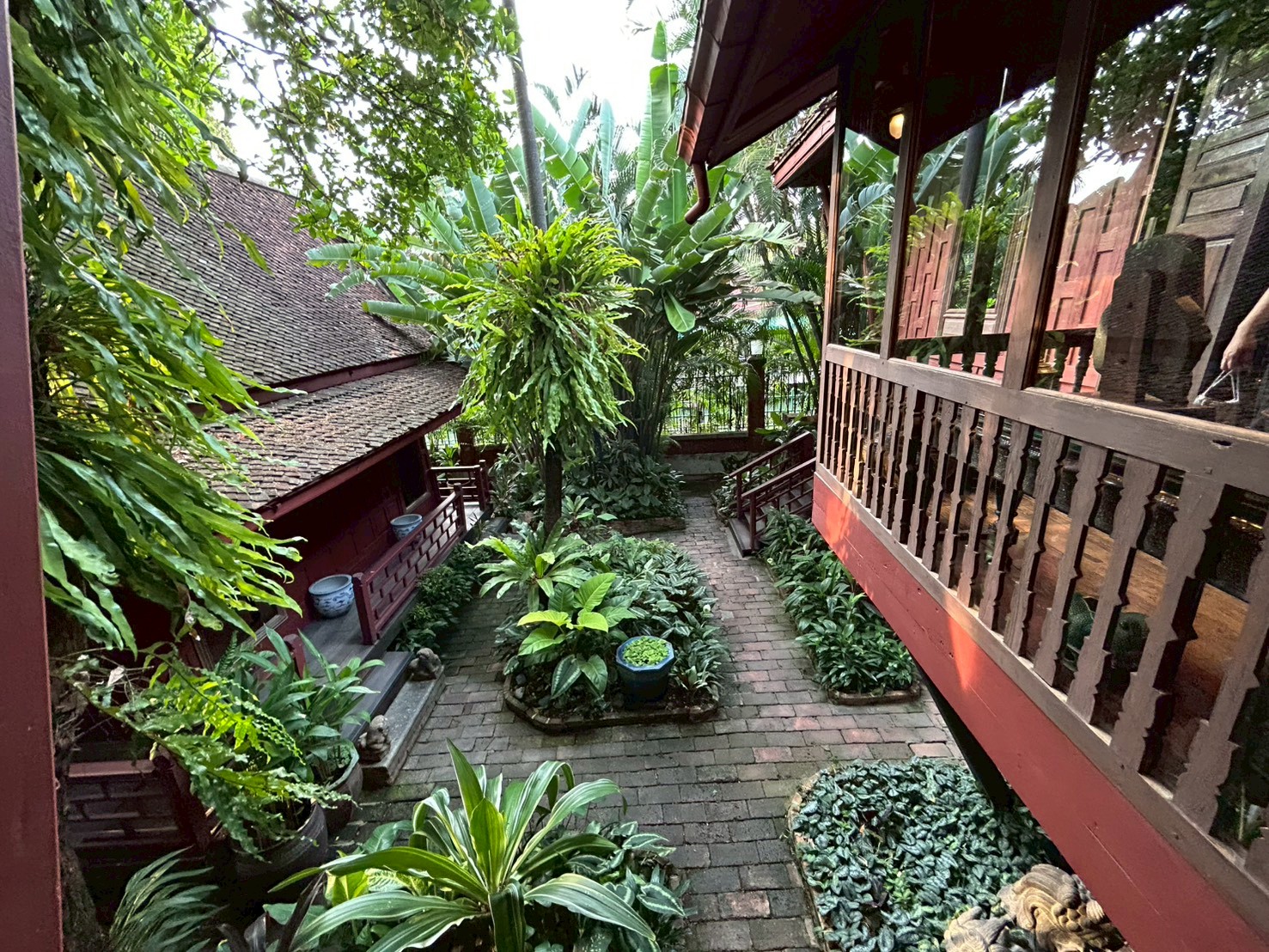
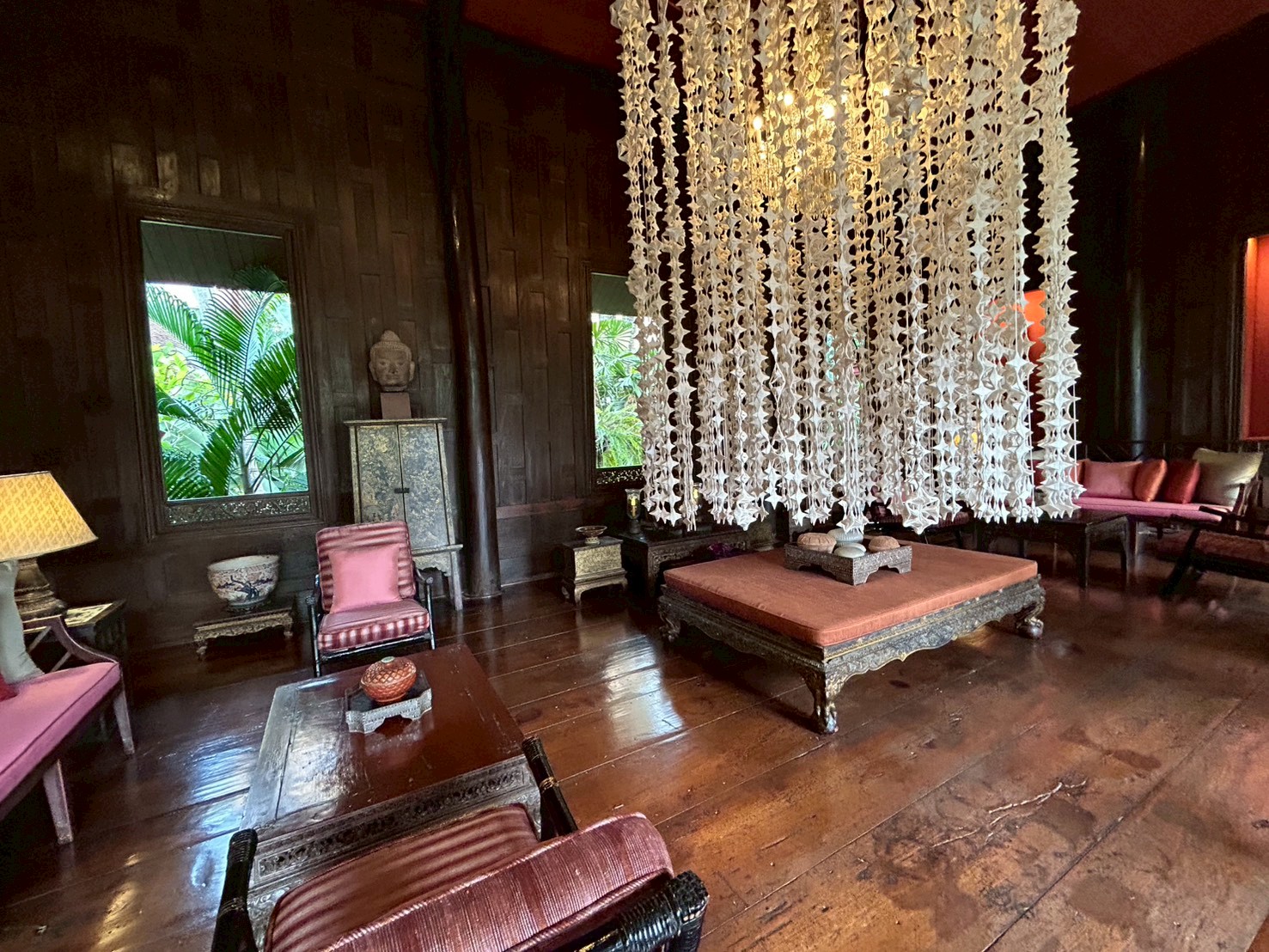
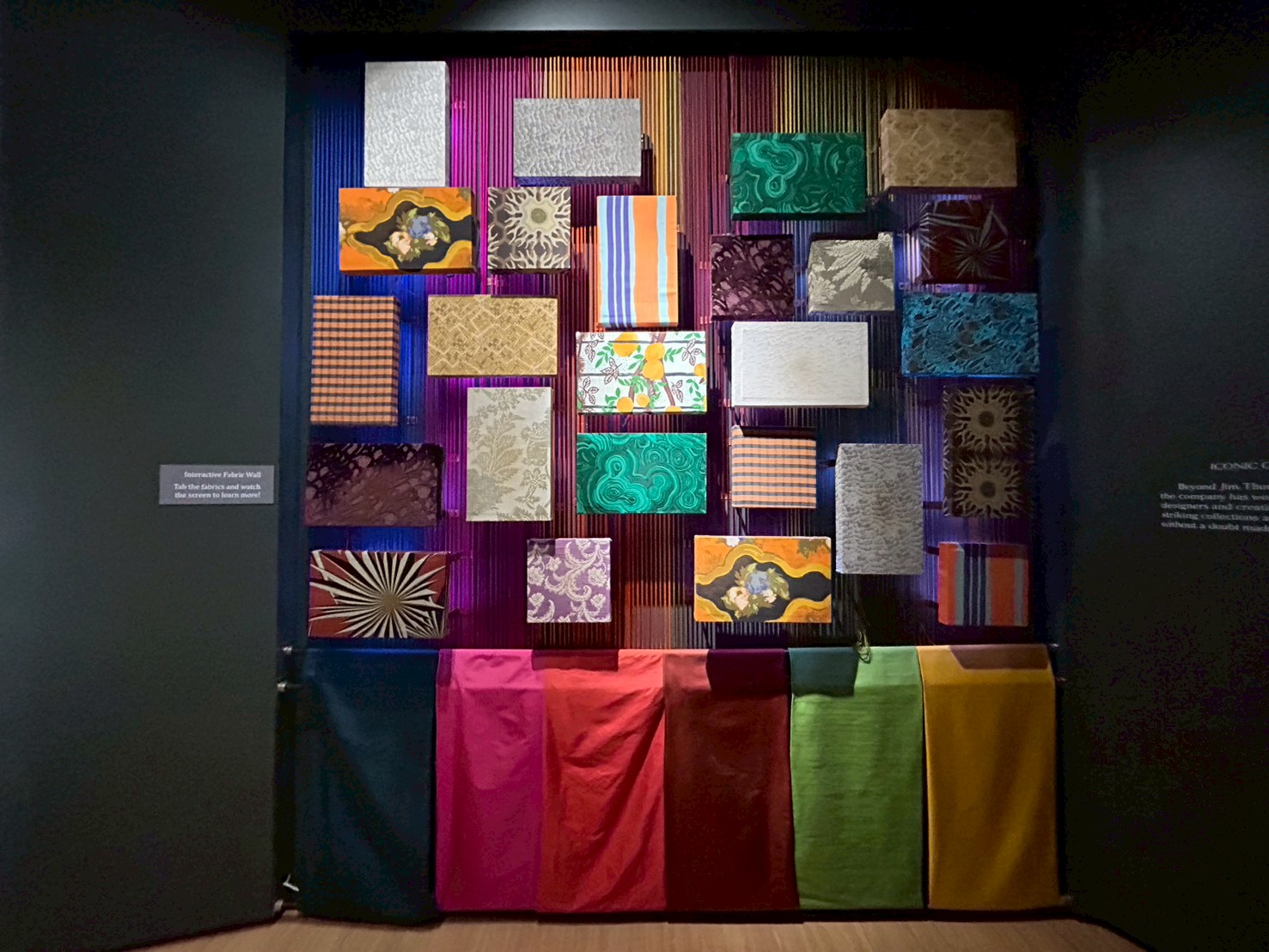
Thompson established his residence along a canal in Bangkok by integrating several traditional Thai teakwood houses into a distinctive architectural complex. Following his mysterious disappearance in 1967, the residence was subsequently transformed into a museum and opened to the public in 1976. Today, the Jim Thompson House is regarded as one of Bangkok’s most significant cultural heritage museums. Its importance extends beyond architectural preservation, exemplifying the successful integration of private art collections, traditional architecture, and cultural industries (Figure 8).
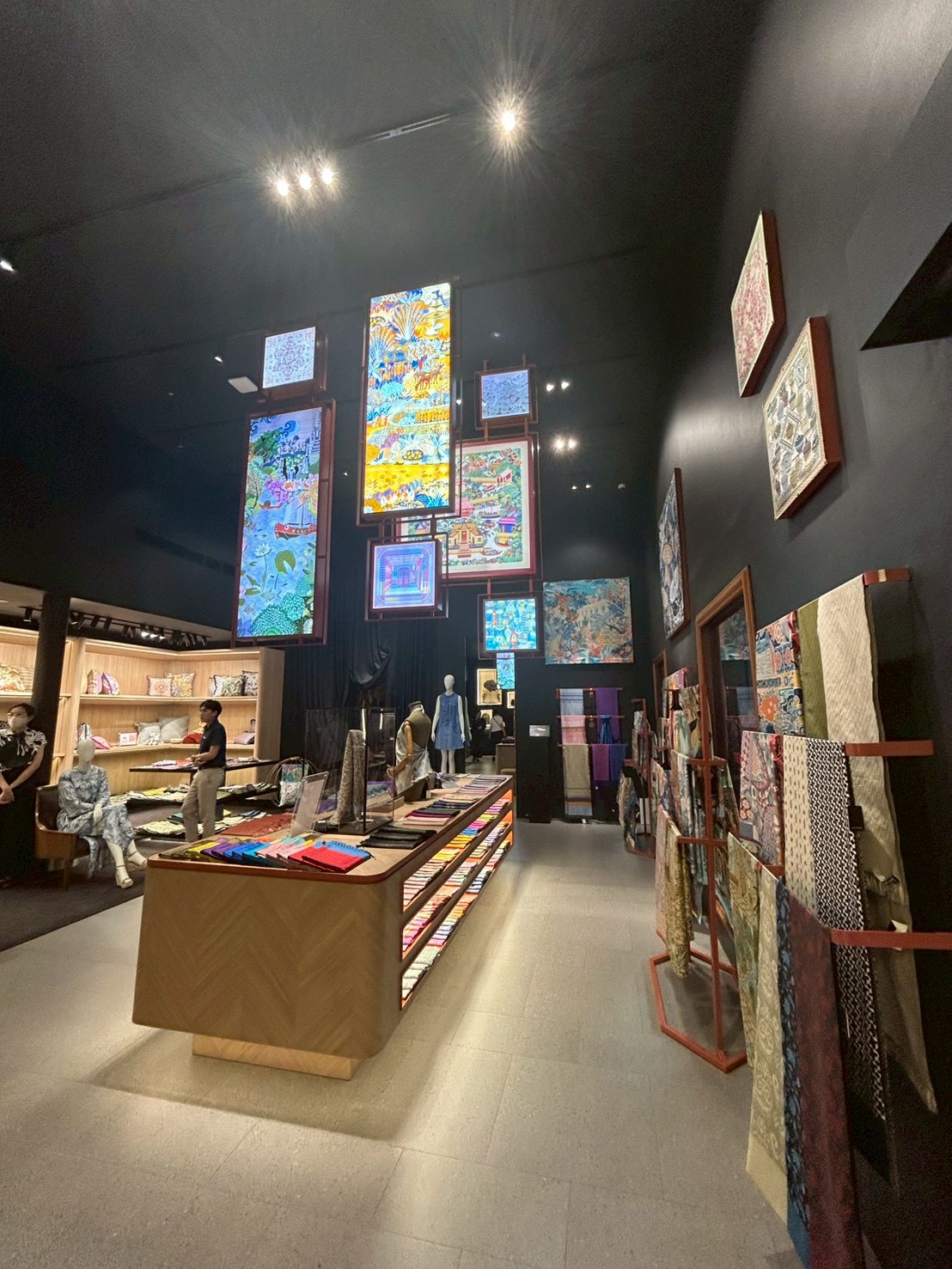
Through guided tours and on-site observations, visitors can gain insights into how the museum integrates cultural heritage preservation, adaptive reuse of historic buildings, and brand management. This approach has successfully transformed the historic residence into a cultural destination that combines educational, tourism, and cultural values while establishing an internationally recognized cultural brand. The museum also serves as a valuable case study in cultural and creative industries and the commercialization of cultural heritage, offering meaningful insights into cultural interpretation, adaptation, and practical applications.
This international exchange visit to Thailand was organized in accordance with National Taipei University of Technology’s international exchange and cooperation initiatives. Its primary objectives were to strengthen academic connections between the College of Humanities and Social Sciences (CHSS) and overseas academic institutions, as well as to deepen bilateral collaboration at the university, college, and departmental levels.
The five-member delegation consisted of Dean Yi-Hui Wang of CHSS; Chair I-Min Chang of the Department of Cultural Vocation Development; Hsin-Yi Wu, Special Assistant to the Dean; Tung-Jun Wu, Senior Administrative Officer of CHSS; and Chieh-Yu Cheng, a doctoral student.